What Is A Drape Wall Surface In Building
A curtain wall is a non-structural wall made from light-weight materials that are typically steel, glass, or rock veneer. Unlike traditional walls, curtain walls do not support the weight of the building but transfer wind loads to the primary structure. They are made as integrated systems, making up a framework, wall panels, and weatherproofing products.
This converts into high heat loss with light weight aluminum (or steel) drape wall surface mullions. There are numerous ways to make up for this warm loss, one of the most typical means being the enhancement of thermal breaks. These are obstacles between outside metal and indoor metal, normally made from polyvinyl chloride (PVC). These breaks give a considerable decline in the thermal conductivity of the drape wall. Curtain wall surfaces not only enhance the appearances of structures yet also add to power effectiveness and sustainability.
Point-supported Glass Curtain Wall Systems
A curtain wall is a non-structural building enclosure created to shield the interior of a structure from exterior aspects. It functions as a barrier, safeguarding against wind, rain, and other environmental aspects website while allowing all-natural light to go into. Stick-built drape wall surface systems are the conventional technique, put together in the field with inside or outdoors glazing.
Thermal conductivity of the drape wall surface system is very important due to warmth loss through the wall surface, which affects the heating & cooling costs of the building. On a poorly performing curtain wall, condensation may form on the inside of the mullions. Deflection in drape wall mullions also varies from deflection of the building framework, whether concrete, steel, or hardwood.
Stick Drape Wall Surface System
In unitized drape wall surface, a void is left in between systems, which is sealed from Helpful site air and water infiltration by gaskets. Up and down, supports carrying wind lots only (not dead load) are slotted to make up movement. Incidentally, this slot additionally represents real-time load deflection and creep in the floor slabs of the building framework. In general, steel curtain wall systems use a range of advantages for modern-day structure style, providing strength, toughness, and a high degree of customization and creativity in structure facades. Along with their aesthetic charm, point-supported glass curtain wall systems use a range of technological benefits.
- While there are many ways to develop these glass walls, we'll be going over the essentials of these systems in this subject.The disadvantages are added expense and susceptability to poor area conditions throughout installment.The supplier takes care of producing, setting up, glazing, and securing the parts.The vision glass is clear, often made use of for windows, and permits all-natural light to penetrate while providing residents a view of the outdoors.Another vital element of curtain wall building and construction is its combination with other building systems.This triggers a plight as compartmentalization (fire defense) is generally based upon closed compartments to prevent fire and smoke migrations past each involved area.
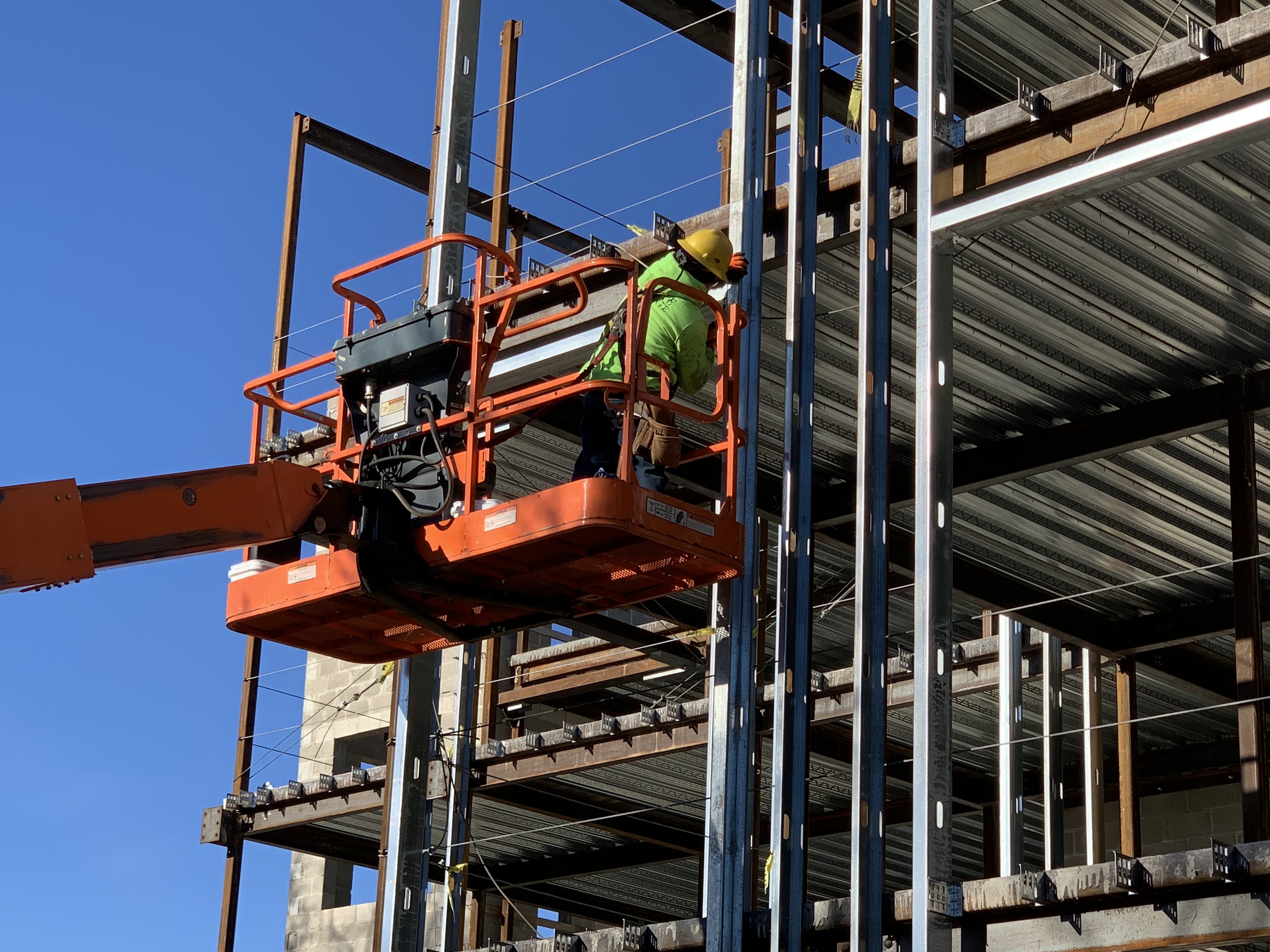

Disadvantages Of Drape Wall Surface Building
With its style versatility, boosted power performance, and enough natural light, drape wall surfaces can change the aesthetic effect and performance of a building. By navigating the factors to consider of material option, installment techniques, and upkeep, drape wall surface systems can play an indispensable role in developing practical, green, and aesthetically sensational frameworks. A drape wall surface is a non-structural outer covering of a structure that shields versus the components while adding aesthetic appeal. Unlike load-bearing walls, curtain wall surfaces do not sustain the structure's weight; instead, they are attached to the structure's architectural structure, like a "drape" hung around it.
Curtain wall surfaces are one kind of structure skin separating inside from outside environments and are additionally referred to as cladding or structure exterior. The Curtain-wall is utilized to ensure that the interior of the structure continues to be impermeable, and the layout of this wall surface makes it air and water-resistant. A drape wall surface is a crucial construction due to its functions, quick structures, light-weight, and give significant visual view. Lisa Might is the supervisor of preconstruction and architectural services for Apogee Enterprises Inc.'s Architectural Framing Systems segment, consisting of EFCO, Tubelite, and Alumicor brands. She is an active participant of the Fenestration and Glazing Industry Partnership (FGIA), joining several boards.